The "Art in the Park" series of events is hosted by the Indiana Dunes National Park in partnership with the Art Barn School of Art. Classes are open to adult beginners, and accessible to those with physical limitations and each session features a different theme related to the National Park or…
Heads up: Tickets or tour times are booked on Recreation.gov.
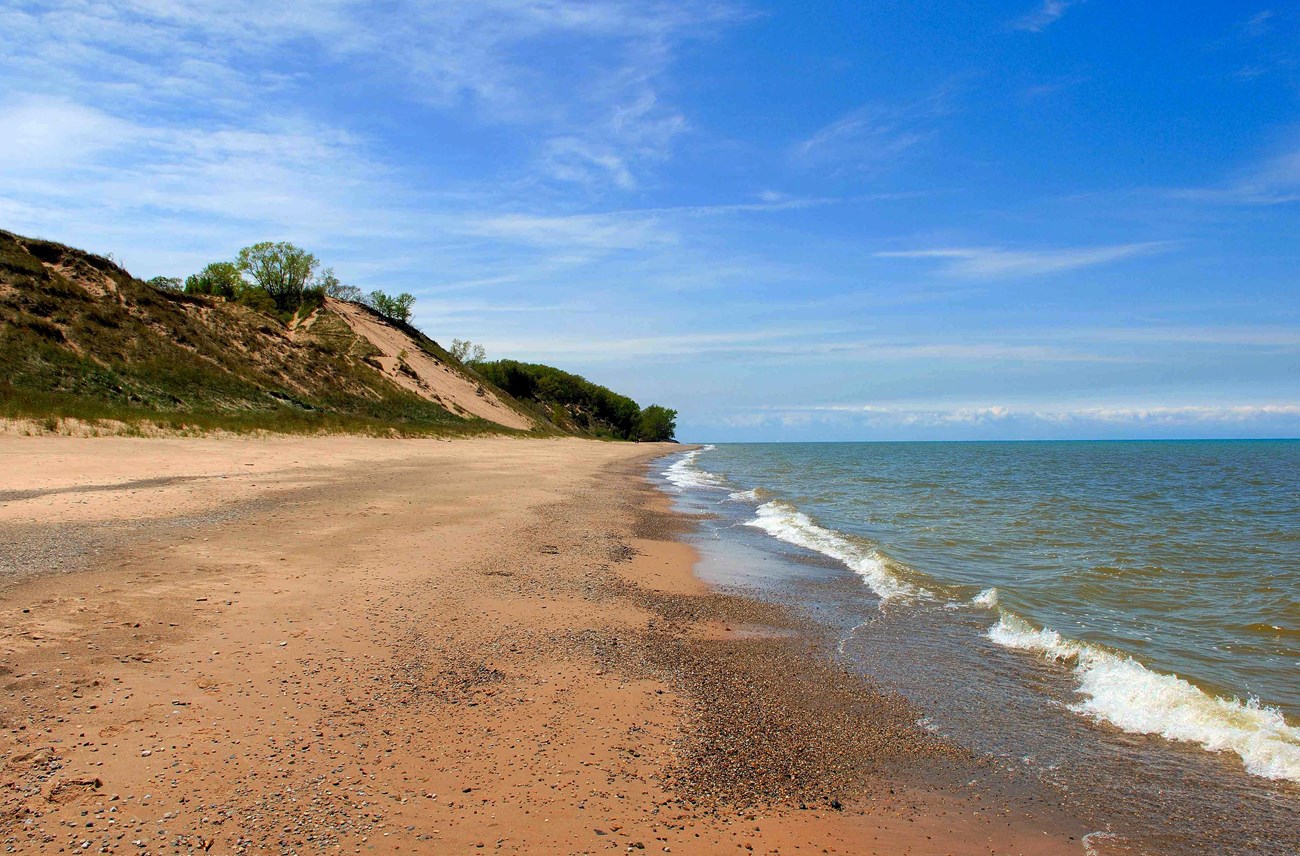
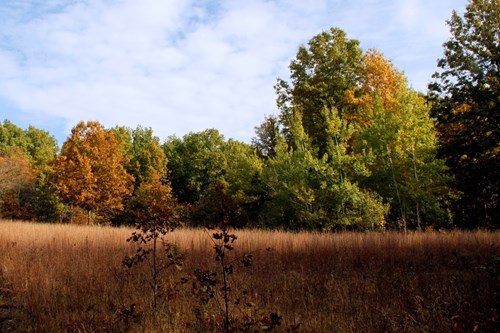
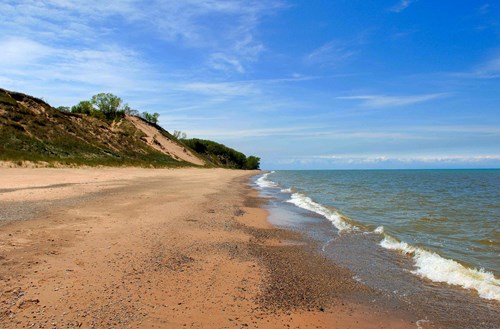
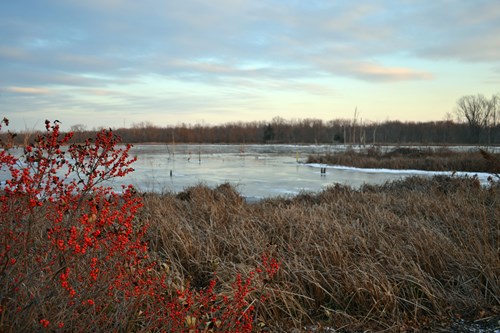
Lake Michigan's might has influenced Indiana Dunes for millennia. Wind and waves have shaped the land, leaving a rich mosaic of habitats along these 15 miles of Indiana coast. Over 50 miles of trails lead through shifting sand dunes, quiet woodlands, sunny prairies and lush wetlands. Known for its striking plant and bird diversity, it's easy to find inspiration throughout the park’s 16,000 acres.
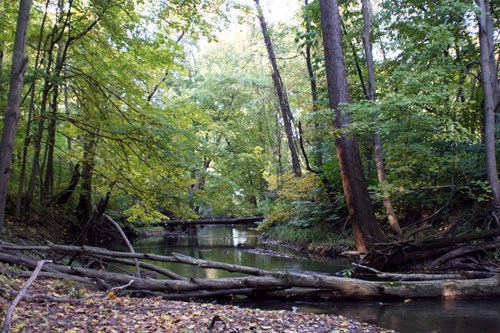
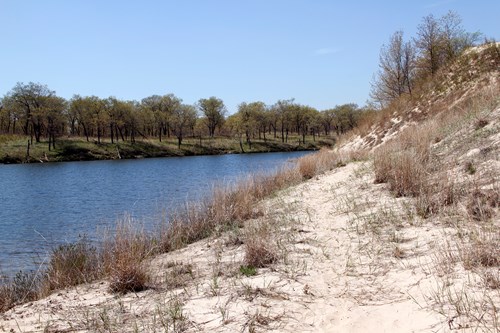
The Heron Rookery Trail follows along a portion of the Little Calumet River that once featured over 100 Great Blue Heron nests. After 60 years of nesting here, the herons have moved on to new nesting grounds.
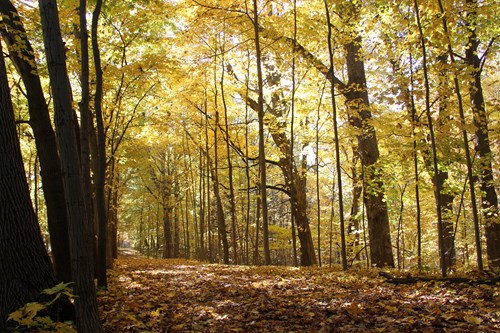
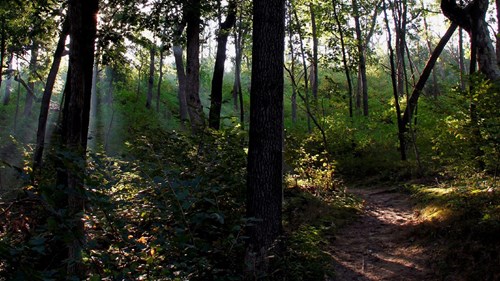
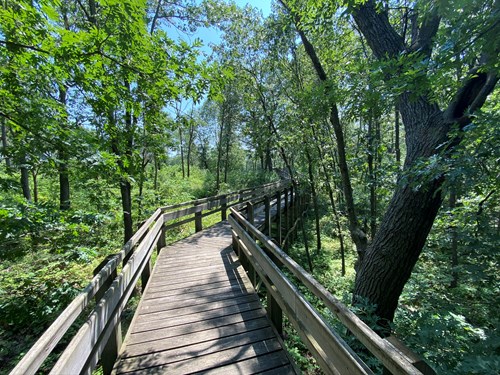
The Little Calumet River, Mnoké Prairie, Bailly Homestead, Chellberg Farm and Bailly Cemetery trail system reveals the rich natural diversity that has drawn people to this area for over 10,000 years. Hike through a forest dominated by maple, beech, basswood and oak trees.
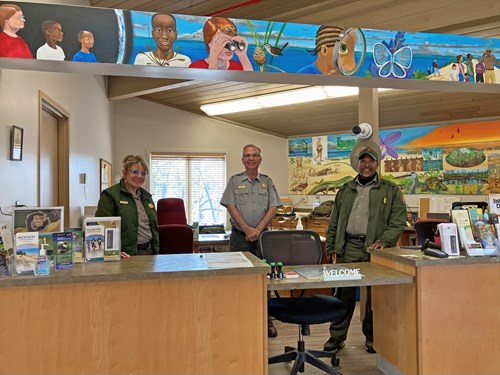
Built as a Church in 1959, the last service in the building was held on August 30, 1970 and the National Park Service purchased the land and building shortly afterwards. The building became the park's headquarters and visitor center in 1971.
The Cowles Bog Trail highlights an area of such outstanding plant diversity that it was designated as a National Natural Landmark in 1965. This location, where Dr.
The Cowles Bog Trail highlights an area of such outstanding plant diversity that it was designated as a National Natural Landmark in 1965. This location, where Dr.
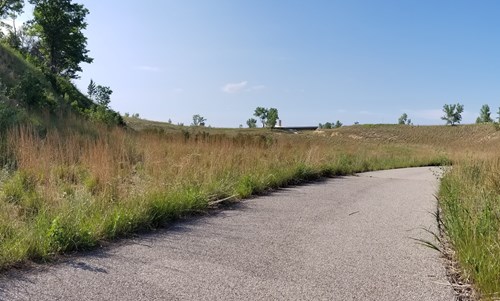
The Dune Ridge Trail offers great views of the extensive wetlands and forests south of this tall, forested dune. The different habitats you'll see along the trail help make Indiana Dunes National Park one of the top most biologically diverse of all the national parks.
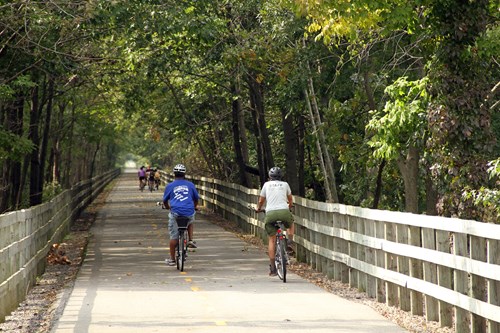
This extensive trail system features interconnected loops ranging from less than a mile to nearly 15 miles and is popular with hikers, runners, horseback riders and cross-country skiers.
This extensive trail system features interconnected loops ranging from less than a mile to nearly 15 miles and is popular with hikers, runners, horseback riders and cross-country skiers.
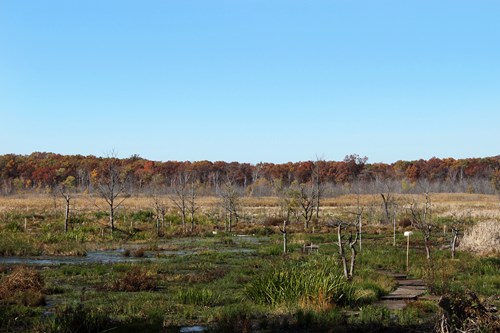
The Great Marsh is the largest interdunal wetland in the Lake Michigan watershed. It serves as a critical habitat for breeding and migratory birds. This popular trail features an overlook of the marsh where you can spot a wide variety of birds ranging from Great Blue Herons to Sandhill Cranes.
The Great Marsh is the largest interdunal wetland in the Lake Michigan watershed. It serves as a critical habitat for breeding and migratory birds. This popular trail features an overlook of the marsh where you can spot a wide variety of birds ranging from Great Blue Herons to Sandhill Cranes.
The Heron Rookery Trail follows along a portion of the Little Calumet River that once featured over 100 Great Blue Heron nests. After 60 years of nesting here, the herons have moved on to new nesting grounds.
Hobart Prairie Grove consists of forested ravines and a portion of scenic Lake George, which is part of the Deep River. The Hobart Woodland trail offers views of forest ravines and has an overlook of Lake George.
Hobart Prairie Grove consists of forested ravines and a portion of scenic Lake George, which is part of the Deep River. The Hobart Woodland trail offers views of forest ravines and has an overlook of Lake George.
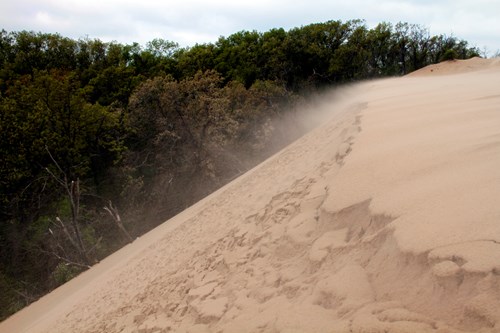
Mount Baldy is 126 feet above the water level of Lake Michigan and is moving inland at about 4 feet per year. Beach sand on the dune moves when the prevailing northwest wind exceeds 7 mph.
The Paul H. Douglas Center for Environmental Education provides programming for school-aged children and adults through ranger-led talks, hikes, and activities.
The Paul H. Douglas Trail in Miller Woods winds through several habitats including wetlands, globally rare black oak savanna, open dunes and beach. The views of the lake and the dunes are incredible.
This popular location is a great place to view the ever-changing seasons along Lake Michigan and watch dramatic weather and clouds build over the lake. It's an easy location to watch for migrating birds in the spring and summer, and observe shelf ice that forms along the beach edge in the winter.
This overlook provides a scenic view of the Tolleston Dunes Trail, which winds amid 4,700 year-old sand dunes that were formed when Lake Michigan's water level was 25 feet higher than today. Tolleston is the second youngest of four distinct dune systems found within the national park.
The Tolleston Dunes Trail winds amid 4,700 year-old sand dunes that were formed when Lake Michigan's water level was 25 feet higher than today. Tolleston is the second youngest of four distinct dune systems found within the national park.
The Pinhook Bog Trail System features two very different habitats. The Upland Trail highlights a rich beech and maple forest growing on top of a glacial moraine formed about 15,000 years ago.
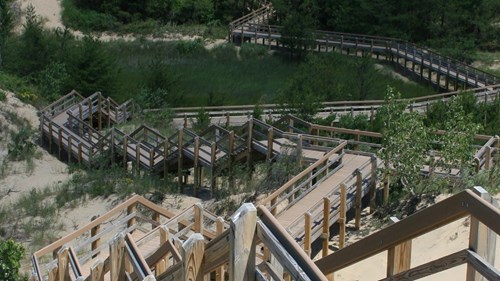
West Beach offers a great combination of hiking and relaxing at the beach. The trails are varied and encompass many habitats. There are great views from the top of the Dune Succession Trail stairs, a beautiful pinery of jack pines, birding opportunities along Long Lake and secluded sections of…
Indiana Dunes National Park hugs 15 miles (24 km) of the southern shore of Lake Michigan and has much to offer. Whether you enjoy scouting for rare species of birds or flying kites on the sandy beach, the national park's 16,000 acres will continually enchant you.
Heads up: Reservable on Recreation.gov. Popular dates book up early.
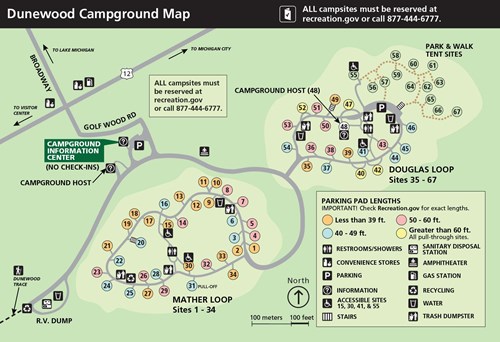
Campground consists of two loops containing 66 camp-sites (53 conventional drive-in sites and 13 walk/carry-in sites). Four sites are wheelchair accessible (numbers 15, 30, 41 and 55). Each loop has modern restrooms and hot/cold showers. Some sites have limited recreational vehicle length.
Heads up: Sites are reservable and often book up early.
The Dunbar Group Site holds up to 30 people and is located less than 500 feet from the beach. The site overlooks the Great Marsh and Lake Michigan. Parking and restrooms are located in the Dunbar Beach parking lot, 400 feet from the site.
Heads up: Sites are reservable and often book up early.
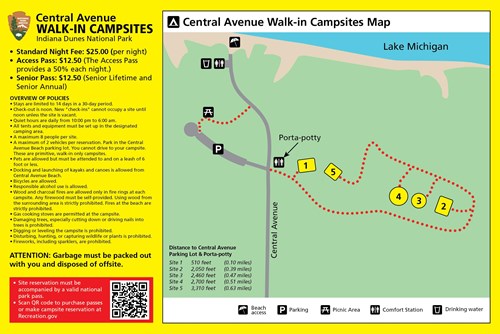
The Central Beach Walk-In Sites has 5 sites, and you will walk a distance to get to your campsite. There is a primitive toilet (porta-potty) by the Central Beach parking lot for the entire season. There is no drinkable water in the area so you must bring your own water.
Heads up: 5 sites can be reserved and 5 are first come, first served.