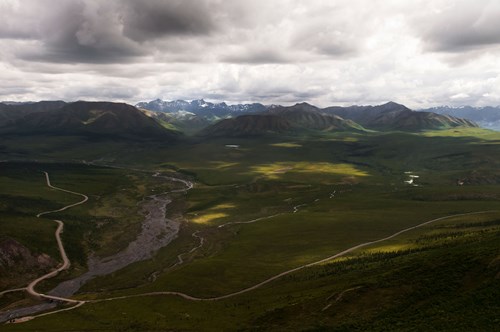
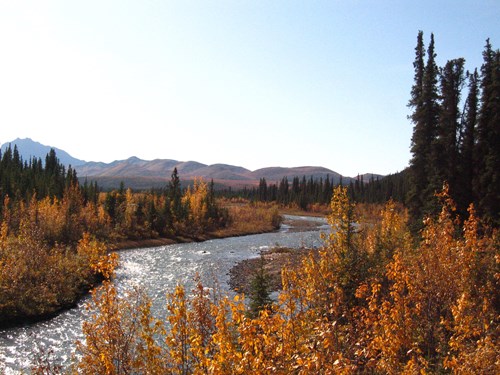
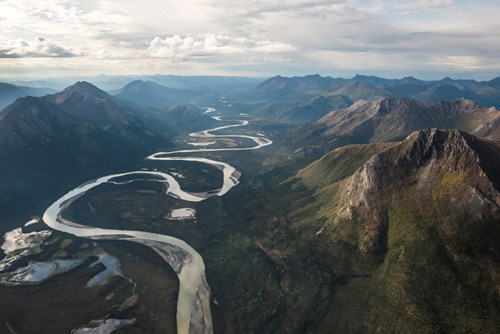
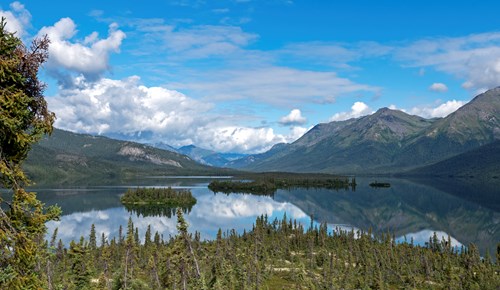
Denali is six million acres of wild land, bisected by one ribbon of road. Travelers along it see the relatively low-elevation taiga forest give way to high alpine tundra and snowy mountains, culminating in North America's tallest peak, 20,310' Mount McKinley. Wild animals large and small roam un-fenced lands, living as they have for ages. Solitude, tranquility and wilderness await.
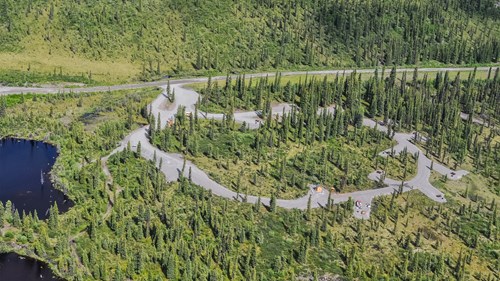
Savage River is a beautiful spot along the Denali Park Road, and marks the farthest point into Denali that a visitor may drive their own vehicle in summer.
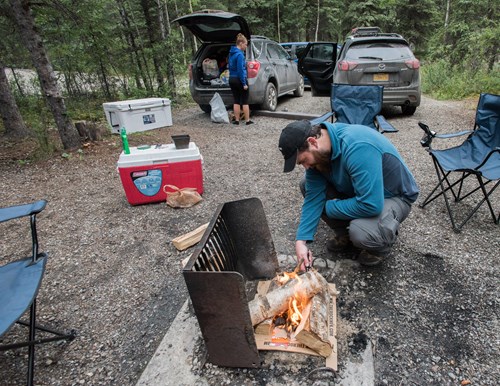
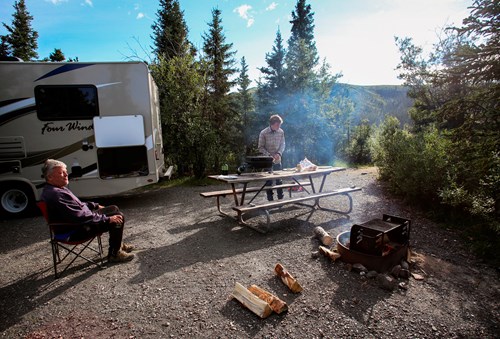
Riley Creek is a fairly wooded campground, with some screening between sites whenever possible. Most of the campground sites are open to either tent campers or vehicles / RVs.
Heads up: 127 sites can be reserved and 20 are first come, first served.
Open in summer only (May 20 to mid-September). Sanctuary River is a heavily wooded campground, with screening between most sites. The immediate area is brushy, but nearby mountains offer chances to hike directly from the campground and gain elevation, with views of Mount McKinley to the south…
Heads up: 5 sites can be reserved and 2 are first come, first served.
Open in summer only (May 20 to mid-September). Though nearly all private vehicles must turn around at mile 15, Savage River, Tek campers are an exception to that rule. If you wish, you may drive your vehicle/RV to Tek.
Heads up: Sites are reservable and often book up early.
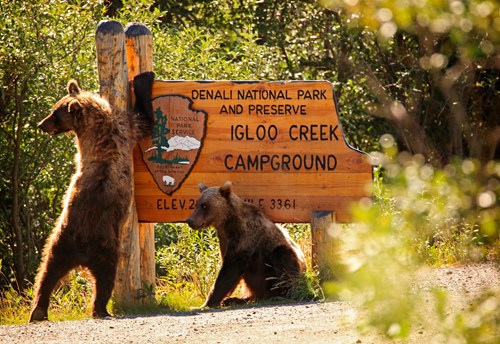
The campground is at mile 35 on the Park Road. It offers 7 sites, making it the smallest in Denali (along with Sanctuary River Campground, which also has 7 sites). Igloo is tent-only—you will not find any RVs or other vehicles in this campground. It is accessible only by camper bus.
Heads up: 5 sites can be reserved and 2 are first come, first served.
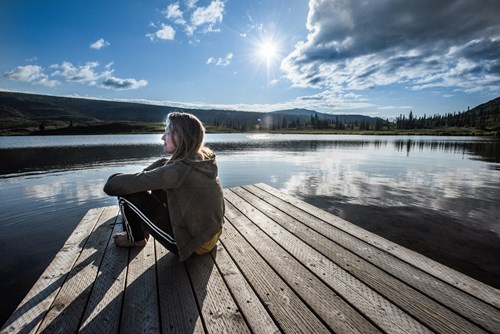
Wonder Lake Campground is at mile 85 on the Denali Park Road. It offers 28 tent-only sites. This is the closest campground to Mount McKinley. Though still nearly 26 miles away, the sheer size of the mountain makes it loom impressively over Wonder Lake Campground.
Heads up: Sites are reservable and often book up early.
This vast landscape does not contain any roads or trails. Visitors discover intact ecosystems where people have lived with the land for over ten thousand years. Wild rivers meander through glacier-carved valleys, caribou migrate along age-old trails, endless summer light fades into aurora-lit night skies of winter. Virtually unchanged, except by the forces of nature.
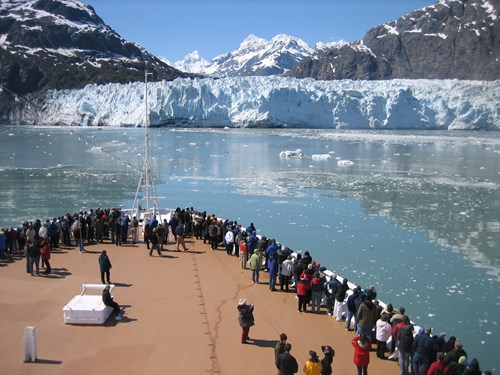
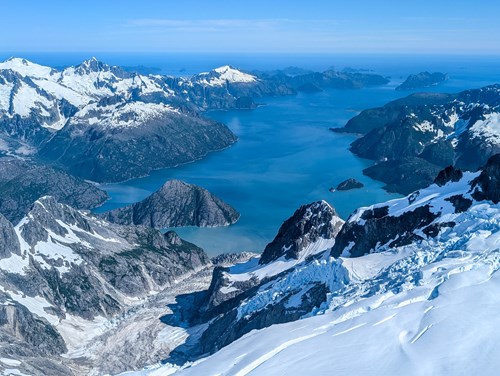
Covering 3.3 million acres of rugged mountains, dynamic glaciers, temperate rainforest, wild coastlines and deep sheltered fjords, Glacier Bay National Park and Preserve is known as Homeland to the Huna and Yakutat Lingít, and is a highlight of Alaska's Inside Passage. From sea to summit, Glacier Bay offers limitless opportunities for adventure and inspiration.
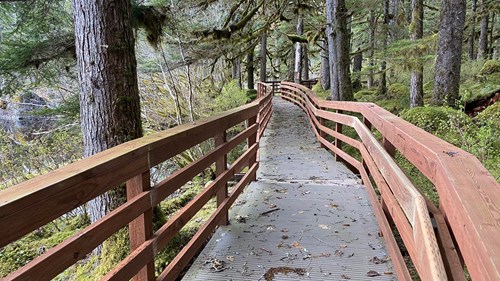
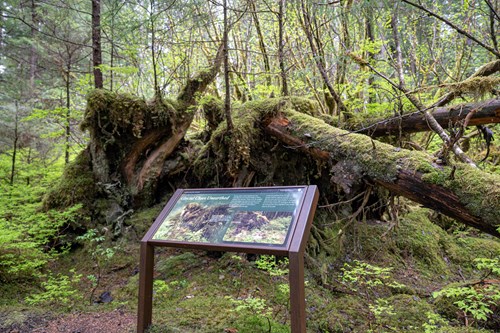
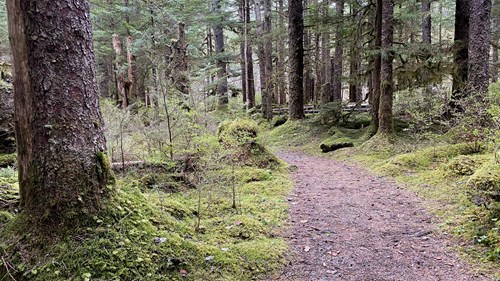
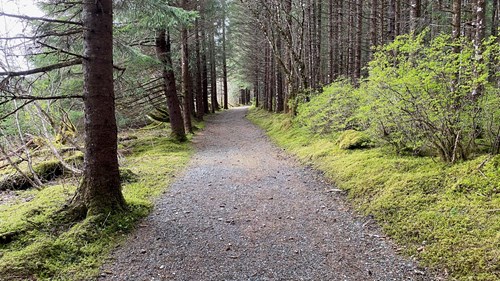
Bartlett Cove has the only developed trails in the park. The forests and shorelines offer great hiking opportunities through a beautiful setting and a chance to see all manner of wildlife. Spend some time, stretch your legs, and discover the wonders of the park!
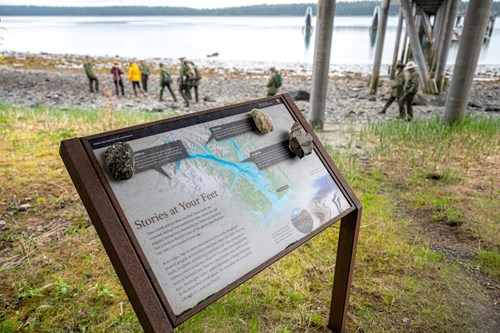
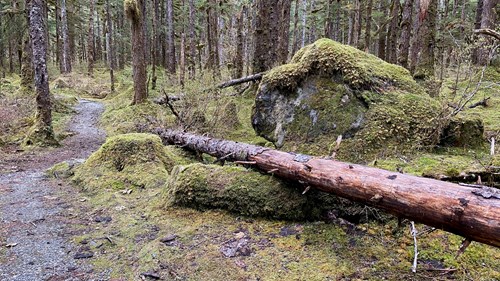
Glacial erratics are found throughout Glacier Bay National Park. Massive glaciers once moved earth and stone here, depositing large boulders that we see today called erratics.
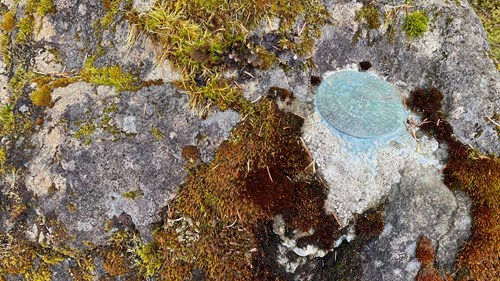
This USGS marker, placed in 1966, shows the mean high tide line when this marker was originally placed. Today, the tide cannot reach this location due to isostatic rebound.
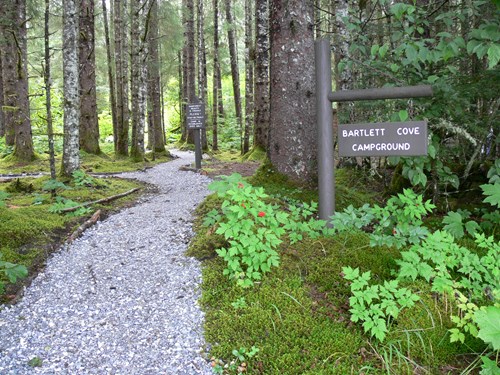
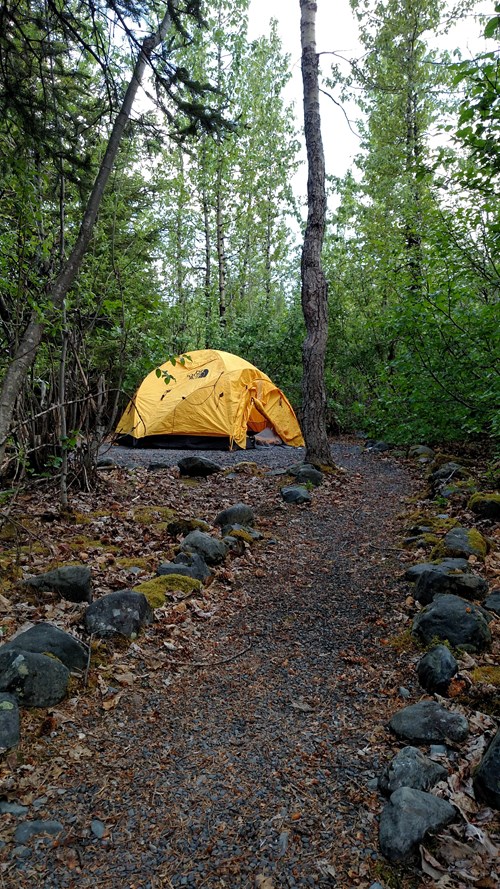
The National Park Service maintains a free walk-in campground in Bartlett Cove. The campground features bear-proof food caches, a fire-pit and warming shelter (with firewood provided) located in a very scenic setting along the shore, 1/4 mile south of the Bartlett Cove dock.
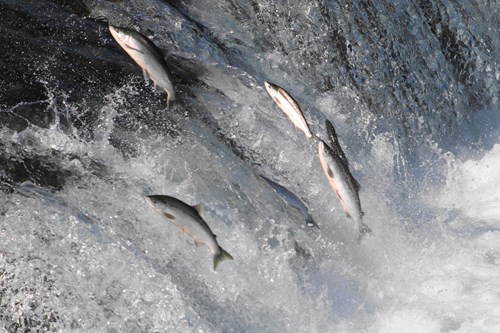
A landscape is alive underneath our feet, filled with creatures that remind us what it is to be wild. Katmai was established in 1918 to protect the volcanically devastated region surrounding Novarupta and the Valley of Ten Thousand Smokes. Today, Katmai National Park and Preserve also protects 9,000 years of human history and important habitat for salmon and thousands of brown bears.
Many depressions in the ground are former sites of homes or perhaps larger communal gathering areas where artifacts have been found that help piece together stories of the past.
Dumpling Overlook offers expansive panoramic views of Naknek Lake, Brooks River, and Lake Brooks. Visitors also have the option to continue beyond the maintained trail to the summit.
Heads up: No pets on this trail. Best in spring, summer, fall.
Fure's Cabin, a beautifully constructed one-room house, is a public use cabin in Katmai National Park and Preserve. The cabin is located on the north side of the Bay of Islands in Naknek Lake and accessed by float plane or boat.
Heads up: Reservable on Recreation.gov. Popular dates book up early.
Brooks Camp Campground is the only developed campground in Katmai National Park and Preserve. It is located on the shore of Naknek Lake, about .3 miles (.5 km) from the Brooks Camp Visitor Center. The campground is also surrounded by an electric fence.
Heads up: Sites are reservable and often book up early.
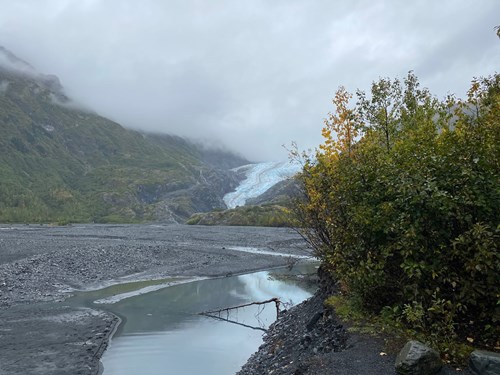
At the edge of the Kenai Peninsula lies a land where the ice age lingers. Nearly 40 glaciers flow from the Harding Icefield, Kenai Fjords' crowning feature. Wildlife thrives in icy waters and lush forests along the fjords once carved by the vast expanse of ice. Today, shrinking glaciers bear witness to the effects of our changing climate.
The 8.2-mile round trip Harding Icefield Trail is a spectacular day hike. Travel from the valley floor, through forests, meadows and the alpine, finishing with a breath-taking view of the Harding Icefield. Takes about 6-8 Hours.
Heads up: No pets on this trail. Best in summer, fall.
Dan Seavey Cabin is a new, two‑story cabin situated along the shore of Meridian Lake. The cabin kit and logs were crafted from Western Red Cedar sourced from the Icy Strait region of Southeast Alaska.
Heads up: Reservable on Recreation.gov. Popular dates book up early.
This location is available on a first-come, first-served basis only. Visitors are required to physically arrive at the campground to purchase and claim a site.
Heads up: Reservable on Recreation.gov. Popular dates book up early.
Holgate and Aialik Bay Cabins are rustic public use cabins. The cabins are accessible only by a two-hour boat ride or a 30-minute float plane flight from Seward; there are no roads to the cabins. The cabins are open from Memorial Day Weekend to Labor Day Weekend and booking starts January 1st.
Heads up: Reservable on Recreation.gov. Popular dates book up early.
Upper Russian Lake Cabin is a rustic trapper style log cabin located on Upper Russian lake. It was recently refurbished to keep the old fashioned charm of the 1950s, when it was originally built. Its location provides good fishing and boating opportunities.
Heads up: Reservable on Recreation.gov. Popular dates book up early.
Dale Clemens Cabin is a rustic cabin in south-central Alaska. It offers great views of the surrounding mountain peaks, and Resurrection Bay and Seward in the distance. Visitors enjoy hunting and exploring, as well as fishing in nearby Lost Lake.
Heads up: Reservable on Recreation.gov. Popular dates book up early.
Aspen Flats Cabin is a rustic cabin along the Upper Russian River of south-central Alaska. The rustic cabin has few amenities, but provides access to the great outdoors. There is great fishing in the adjacent Russian River and hiking and biking trails abound.
Heads up: Reservable on Recreation.gov. Popular dates book up early.
Barber Cabin offers a remote lodging experience on the Eastern Kenai Peninsula of south-central Alaska. The rustic cabin has few amenities, but provides access to the great outdoors and a scenic mountain lake. There is great fishing in Lower Russian Lake, and hiking and biking trails abound.
Heads up: Reservable on Recreation.gov. Popular dates book up early.
Exit Glacier has a 12-site, walk-in, tent-campground. Sites are available on a first-come, first-served basis. There are no reservations or camping fees. There is a fourteen-day stay limit. The campground frequently fills by early evening in July and August.
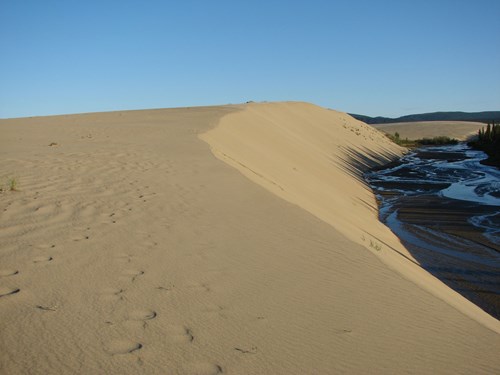
Caribou, sand dunes, the Kobuk River, Onion Portage - just some of the facets of Kobuk Valley National Park. Thousands of caribou migrate through, their tracks crisscrossing sculpted dunes. The Kobuk River is an ancient and current corridor for people and wildlife. For 9000 years, people came to Onion Portage to harvest caribou as they swam the river. Even today, that rich tradition continues.
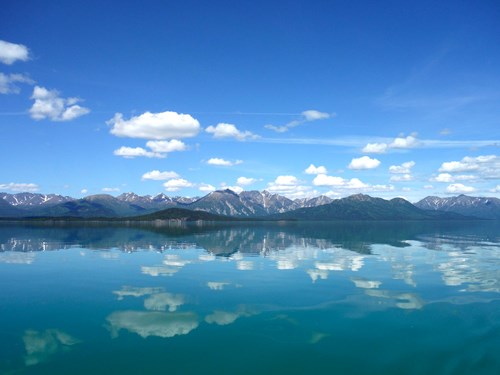
Lake Clark National Park and Preserve is a land of stunning beauty. Volcanoes steam, salmon run, bears forage, and craggy mountains reflect in shimmering turquoise lakes. Here, too, local people and culture still depend on the land and water. Venture into the park to become part of the wilderness.
Epic elevation, heart-pumping exercise and stellar views. Discover the wild from Port Alsworth as you hike the trail to the top of Tanalian Mountain. Takes about 1-12 Hours.
The Priest Rock Cabin sits on the north shore of Lake Clark, approximately eight miles north of Port Alsworth. The cabin is perched above a small creek that runs into the lake. It commands a sublime view of Lake Clark's upper reaches, backed by mountains rising to 6,000 feet.
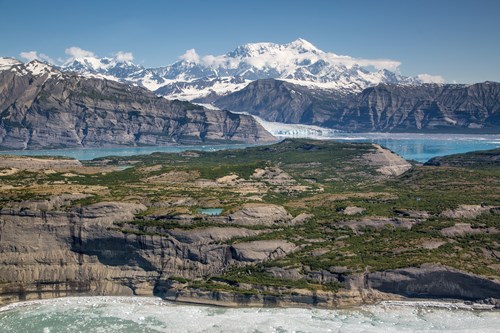
Wrangell-St. Elias is a vast national park that rises from the ocean all the way up to 18,008 ft. At 13.2 million acres, the park is the same size as Yellowstone National Park, Yosemite National Park, and Switzerland combined! Within this wild landscape, people continue to live off the land as they have done for centuries. This rugged, beautiful land is filled with opportunities for adventure.
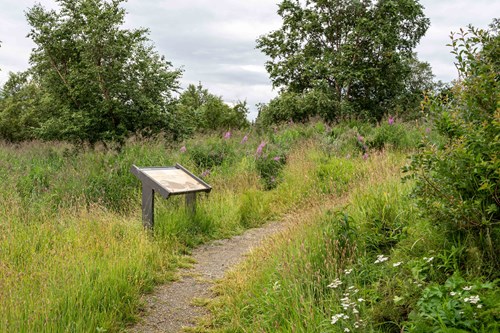
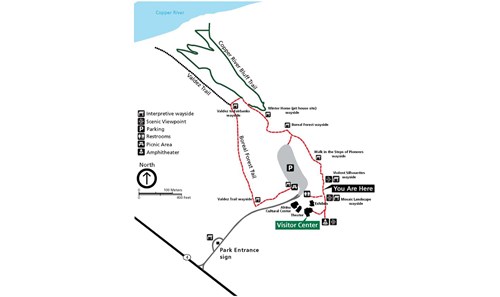
The 1/2-mile loop Boreal Forest Trail follows even terrain, though wheelchair-users may need assistance. The trail passes along the river bluff, then cuts through the forest, connecting to a section of the historic Valdez Trail, the first all-American route into interior Alaska.
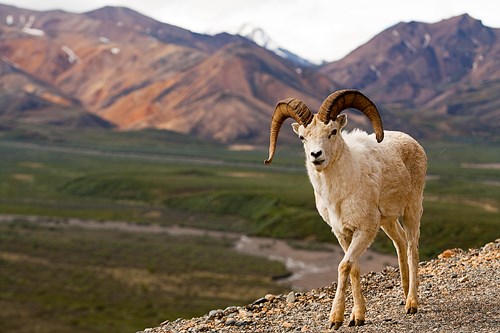
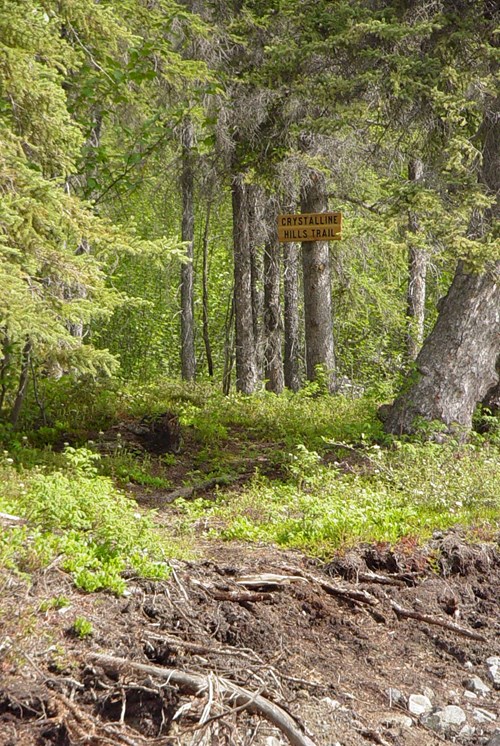
The Crystalline Hills north of McCarthy Road are composed mostly of gneiss and gabbro, but some of the lower slopes are made up of a light colored marble. These hills are an excellent place to see Dall Sheep up on the hills and hike up to nice scenic views.
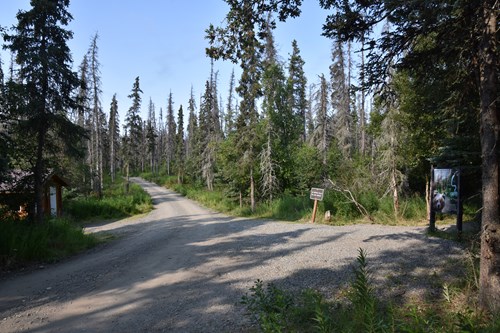
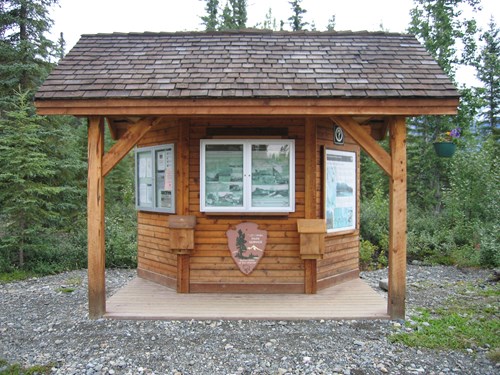
Mile 42.5 Nabesna Road. The maintained portion of the Nabesna Road ends at the Lodge, which is private property. Please respect this property and their privacy. Be careful not to park on the airstrip.
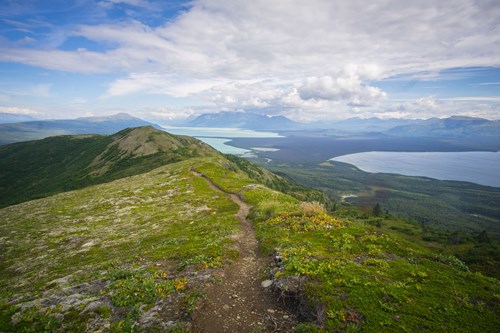
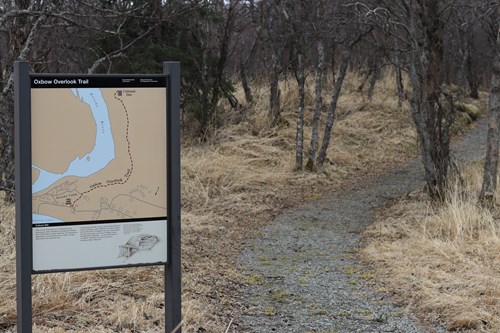
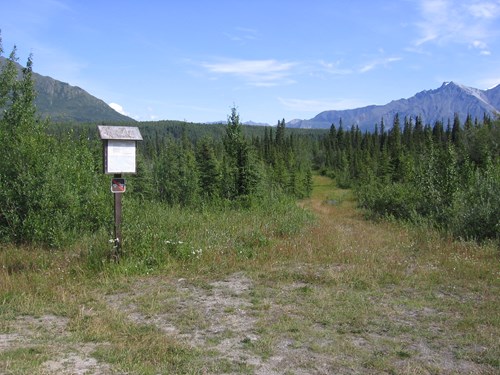
This 4.2 mile trail leads to the views of the Nabesna River. Though Reeve's Field airstrip is not longer here, this area is historically significant. During 1941, trucks hauled equipment from Valdez to a rustic airstrip along the river.
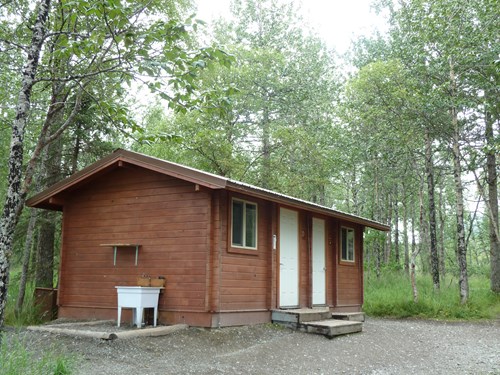
Located on the Nabesna Road, this free camping area is the only National Park Service campground in Wrangell-St. Elias National Park. It has 10 designated campsites, each with a picnic table and a fire ring. There are two vault toilets.